Guides
What to see in Favignana: complete guide to beaches, coves and must-see places
6 min read
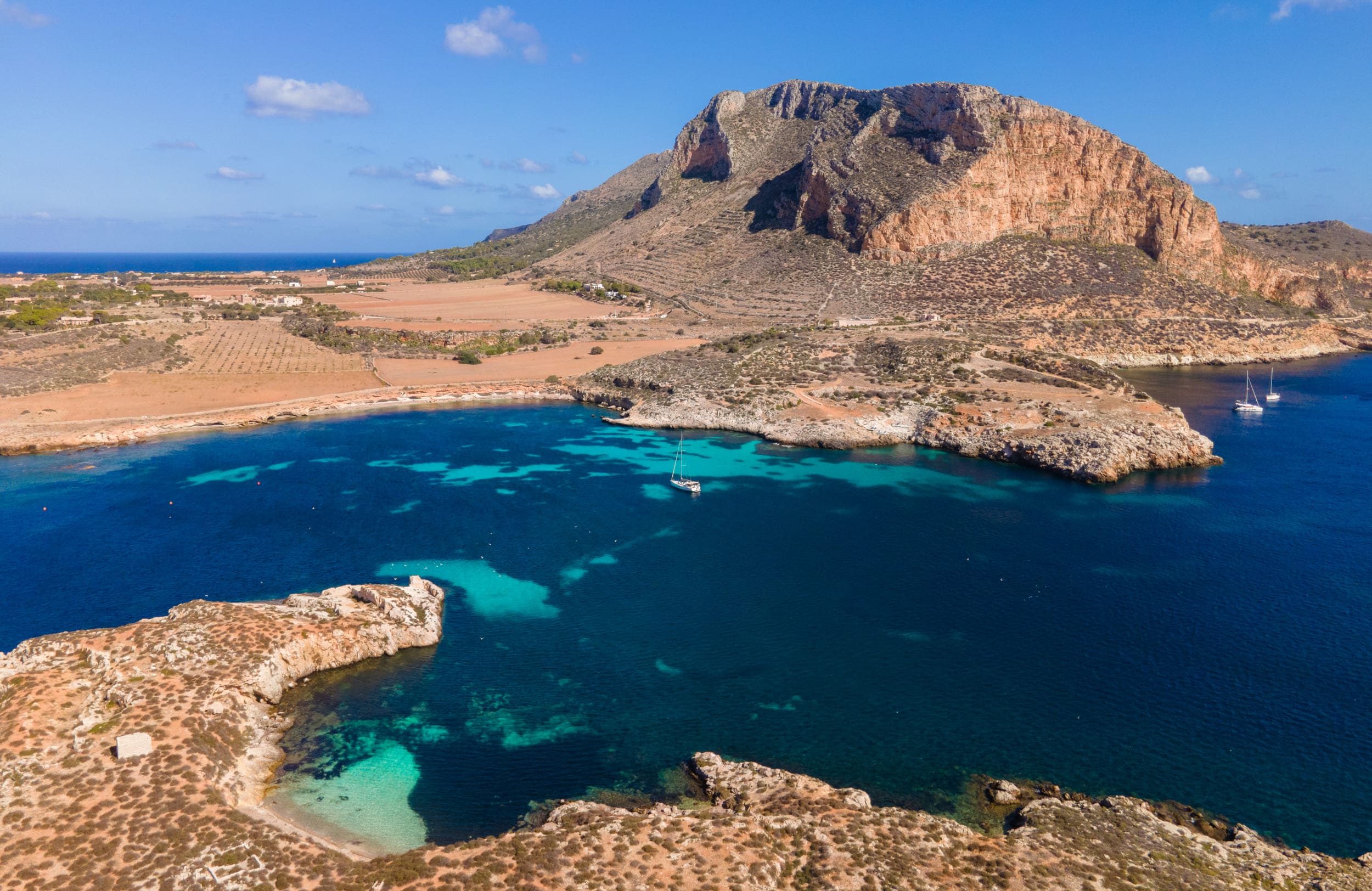
Favignana, the “butterfly of the Mediterranean”, is the largest of the Egadi Islands and one of western Sicily’s best-loved seaside destinations. With its two-winged shape, it combines sandy beaches, turquoise coves, hand-carved tuff quarries and an old town shaped by the history of tuna fishing. Whether you are planning a day trip from Trapani or a week’s holiday, this guide covers what to see and do, with practical tips to plan your stay.
How to get there and when to go
Favignana is reached from Trapani by hydrofoil in about 30-40 minutes or by ferry in about an hour, with frequent connections especially between May and September. All details are in our guide on how to get to Favignana.
The island covers about 19 km² and is almost entirely flat, except for Mount Santa Caterina (around 300 metres). The best way to explore it is on foot, by bike or by scooter: see all options on our getting around Favignana page. In summer, traffic for non-resident vehicles may be restricted.
The ideal period runs from late May to mid-September; June and the first half of September are perfect for warm sea without the August crowds.
The most beautiful beaches and coves
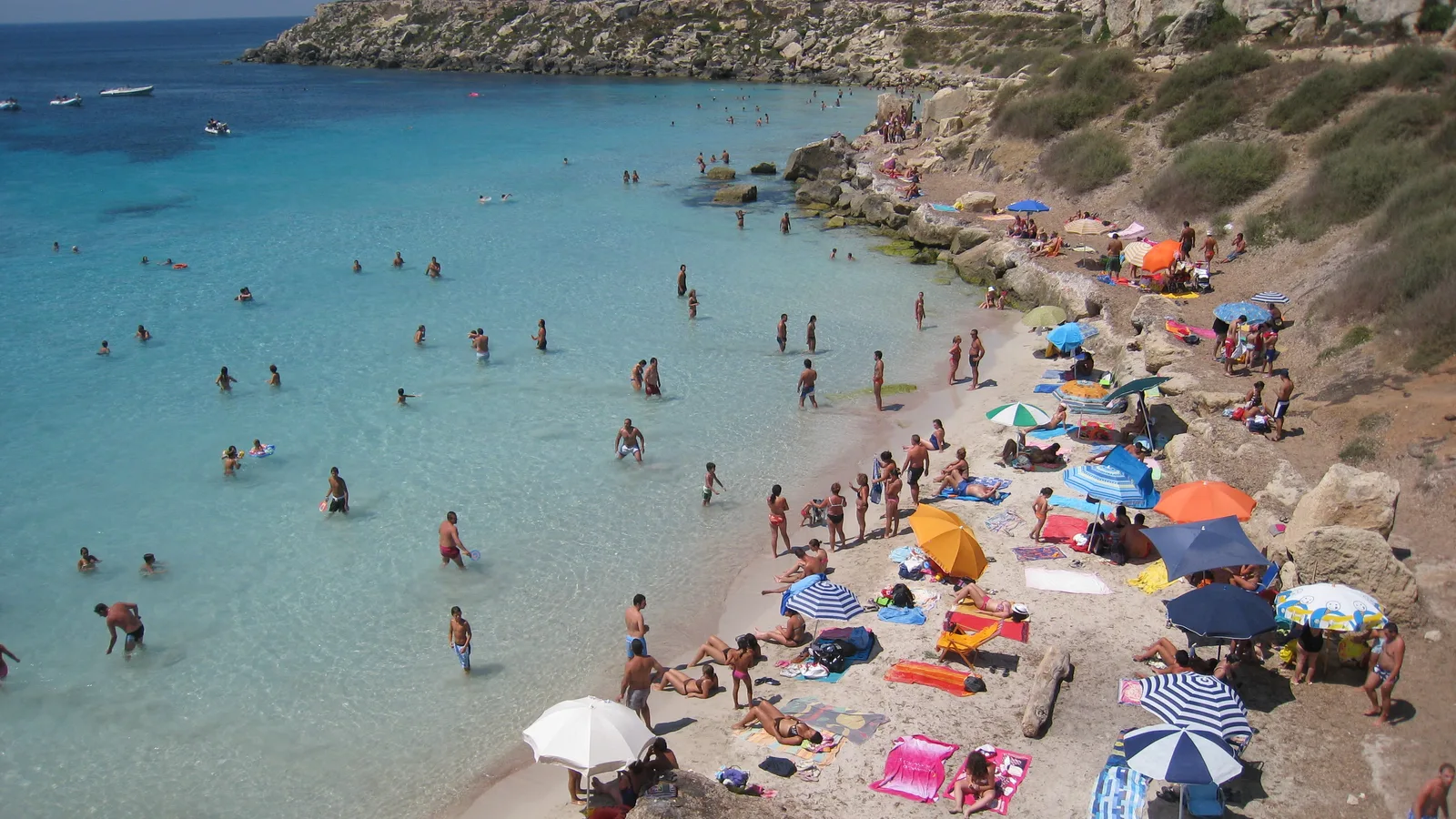
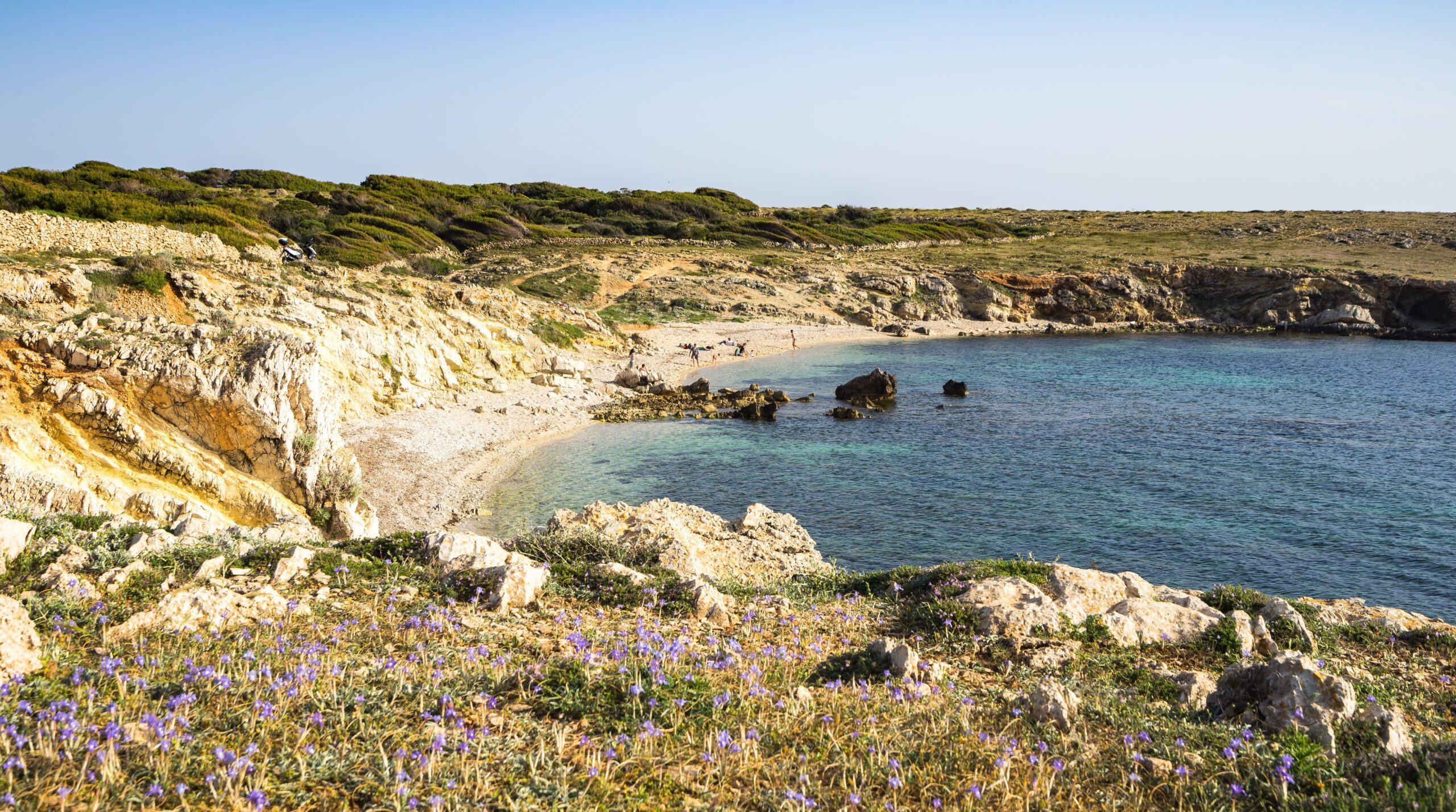
The real reason so many visitors choose Favignana is the sea. Its coves, often set among old tuff quarries, offer water that shifts from emerald green to deep blue within a few metres. You can explore them all in the places and coves of Favignana section.
Cala Rossa
The island’s signature cove: pale cliffs, crystal-clear water and a seabed ideal for snorkeling. There is no sand, only tuff terraces, so bring water shoes. Full details in our Cala Rossa guide.
Cala Azzurra
Perhaps the “easiest” cove: shallow, calm water and a sandy seabed, perfect for children too. Read more in our Cala Azzurra guide.
Lido Burrone
The island’s large sandy beach, with a gently sloping seabed and facilities close to the water. Read our guide to Lido Burrone beach.
Other coves not to miss
Cala del Bue Marino is loved by cliff jumpers and snorkelers, Cala Rotonda is famous for the Arch of Ulysses and its sunsets, Cala del Preveto is perfect if you want silence, while Cala San Nicola is wilder and less crowded.
The most memorable way to see them all is from the sea: boat trips and tours circle the island in a day, stopping for a swim where the water is most beautiful.
The old town, the Tonnara and Santa Caterina Castle
Favignana is not only about the sea. The village is built around the harbour, dominated by Palazzo Florio, and the old town is easy to explore on foot among white alleys, squares and small shops.
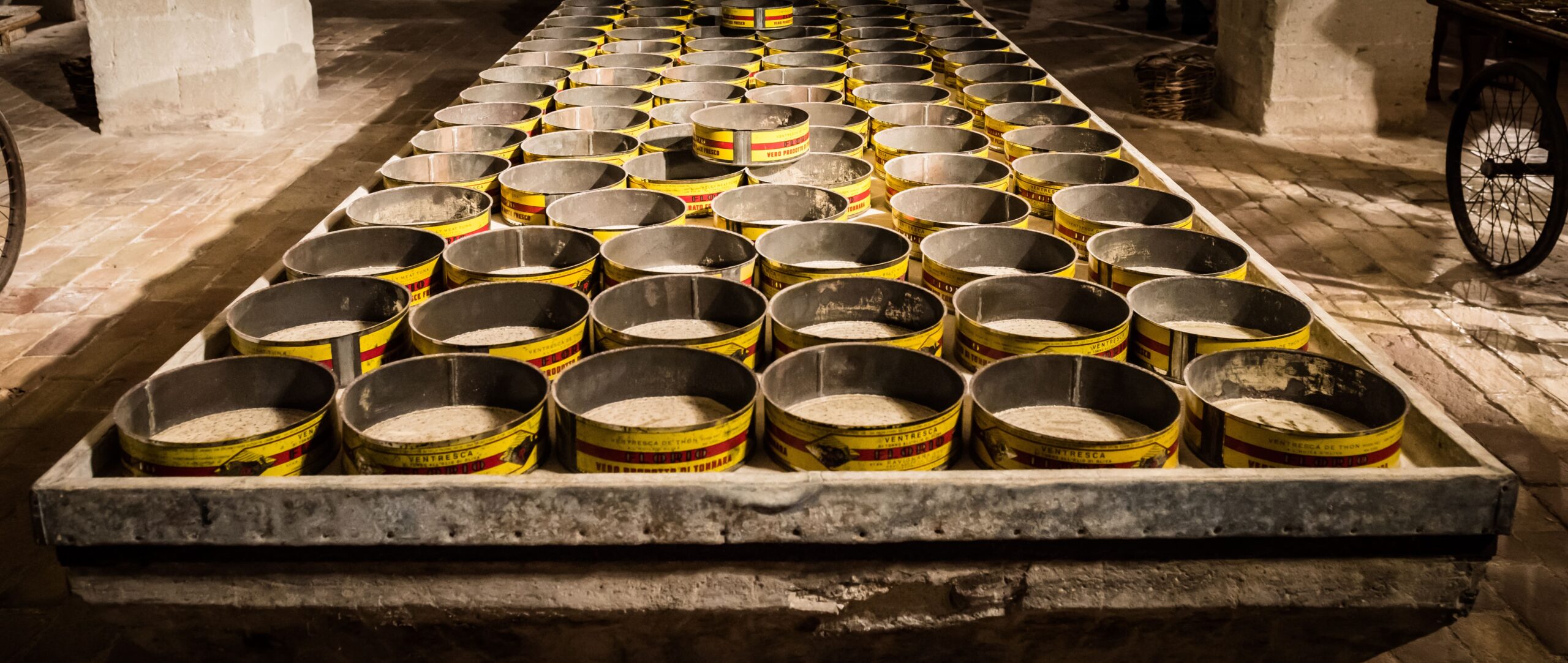
The symbol of the island’s memory is the former Florio tuna factory, one of the most important tuna processing complexes in the Mediterranean, now a museum. Read more in our guide to the Favignana Tonnara.
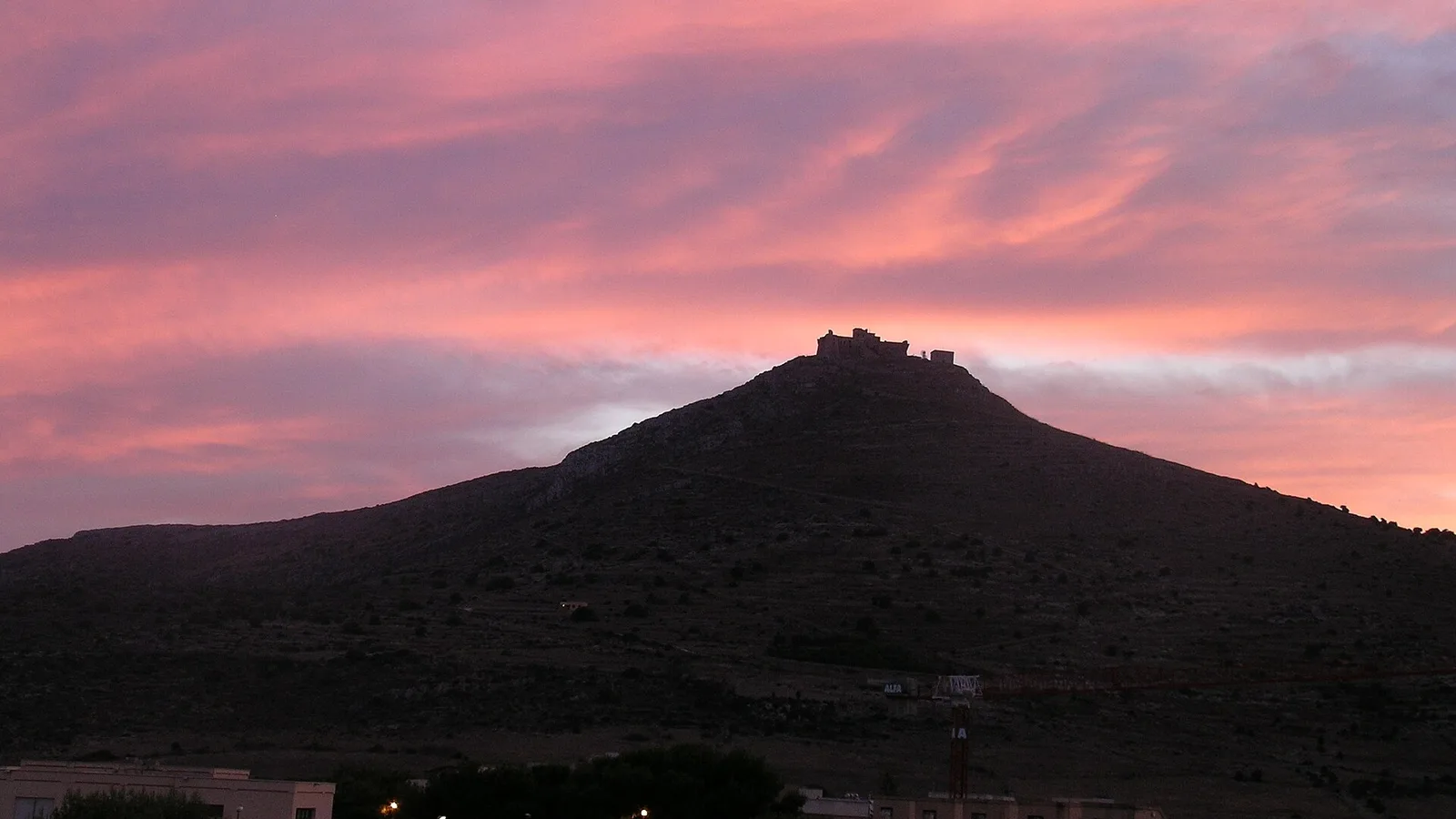
If you enjoy walking, head up towards Santa Caterina Castle, at the island’s highest point: the view over Favignana, Levanzo and the Trapani coast is worth the effort. The disused tuff quarries are also fascinating, some turned into underground gardens such as the Giardino dell’Impossibile.
Things to do: boat trips, rentals and experiences
Favignana suits both a relaxing and an active holiday.
- Boat trips: the best way to discover the most rugged coastline and sea caves. See the options in boat trips and tours.
- Rentals: bikes, scooters and small boats let you plan your day freely. Compare bike and e-bike rentals, scooter rentals and boat and RIB rentals.
- Experiences: snorkeling, diving, kayaking, SUP, tastings and cooking classes. Find every idea on our experiences in Favignana page and in the Things to do category.
Where to stay
Accommodation suits every kind of traveller. If you want to get around on foot and enjoy evenings in the village, choose the centre near the harbour; if you are after silence and nature, opt for houses in the countryside or in the old tuff quarries, often with a garden. There are hotels, B&Bs, apartments, villas and campsites: compare all options in the Where to stay in Favignana section.
Where to eat and drink
Local cuisine revolves around tuna, the star of island menus: raw, marinated, smoked or cooked “alla stemperata”. Also try fish couscous, pasta with sardines, seafood street food, ricotta pastries and granita.
In the old town you will find family-run trattorias, seafood restaurants and street food spots for a quick lunch; at sunset the west coast and the harbour are the favourite places for an aperitivo. Browse everything in Eat and drink in Favignana, with dedicated sections for trattorias and taverns, street food and cocktail bars and nightlife.
The other islands: Levanzo and Marettimo
Many visitors staying in Favignana spend a day on the nearby islands. Levanzo, the smallest inhabited Egadi island, is just a few minutes away by hydrofoil: white houses around the small harbour, scenic trails and the Grotta del Genovese with its prehistoric paintings. Marettimo, further and wilder, is ideal for hiking and sea caves.
Both can be visited in a day with scheduled connections or on a boat trip covering several islands.
A 3-day itinerary
For a long weekend, here is a realistic plan:
- Day 1: arrival, a stroll through the old town, a visit to the Florio Tonnara and a sunset aperitivo near the harbour.
- Day 2: by bike or scooter to Cala Rossa and Cala Azzurra, lunch with local dishes and a walk up towards Santa Caterina Castle for sunset.
- Day 3: a boat trip to discover the coves reachable only by sea and a last swim at Lido Burrone before leaving.
Within a few square kilometres, Favignana packs postcard beaches, tuna-fishing history and a lively old town, all reachable without a car. To find your way around, use the interactive map of Favignana.
Frequently asked questions
How many days do you need to visit Favignana?
Two or three days are enough for the main beaches, the old town and the Tonnara; add a day for a boat trip or an outing to Levanzo or Marettimo.
What is the most beautiful beach in Favignana?
Cala Rossa is the most spectacular, but for families with children or anyone seeking comfort, Cala Azzurra and Lido Burrone are the best choices.
Do you need a car in Favignana?
No: the island is small and almost flat, easy to explore on foot, by bike or by scooter. In summer, traffic for non-resident vehicles may also be restricted.
When is the best time to visit Favignana?
From late May to mid-September, with June and the first half of September ideal for warm sea and fewer crowds than August.