Beaches and coves
Cala Rossa: guide to Favignana’s most beautiful beach
5 min read
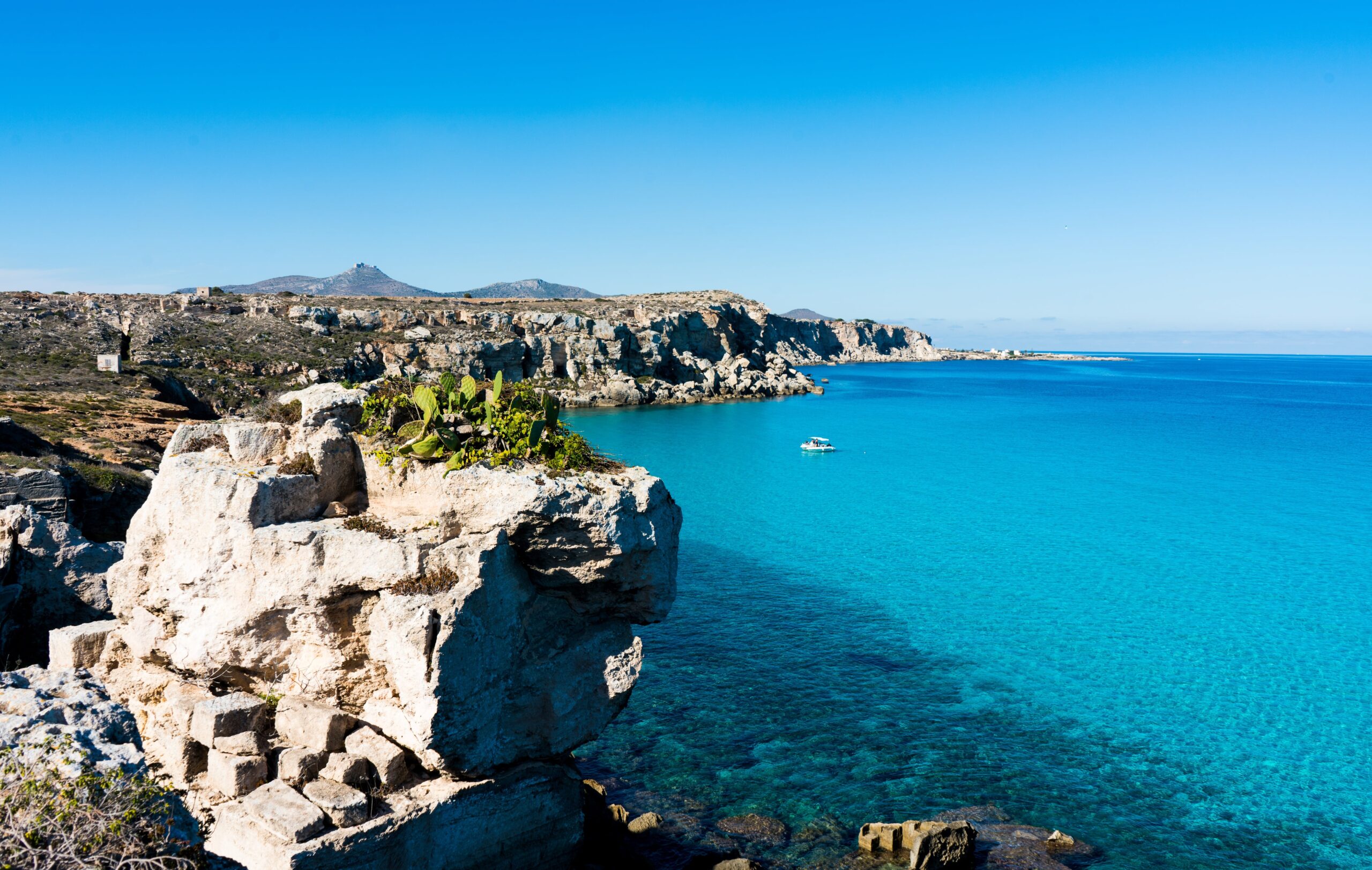
Cala Rossa is the stop almost everyone puts at the top of their list when they arrive in Favignana. Pale tuff walls, turquoise water and crystal-clear seabeds have made it one of the most photographed coves in Sicily, often listed among the most beautiful beaches in Italy. This guide covers everything you need to know before you go: where the name comes from, the right wind, how to get there and practical tips to enjoy it at its best.
A rocky bay, not a sandy beach
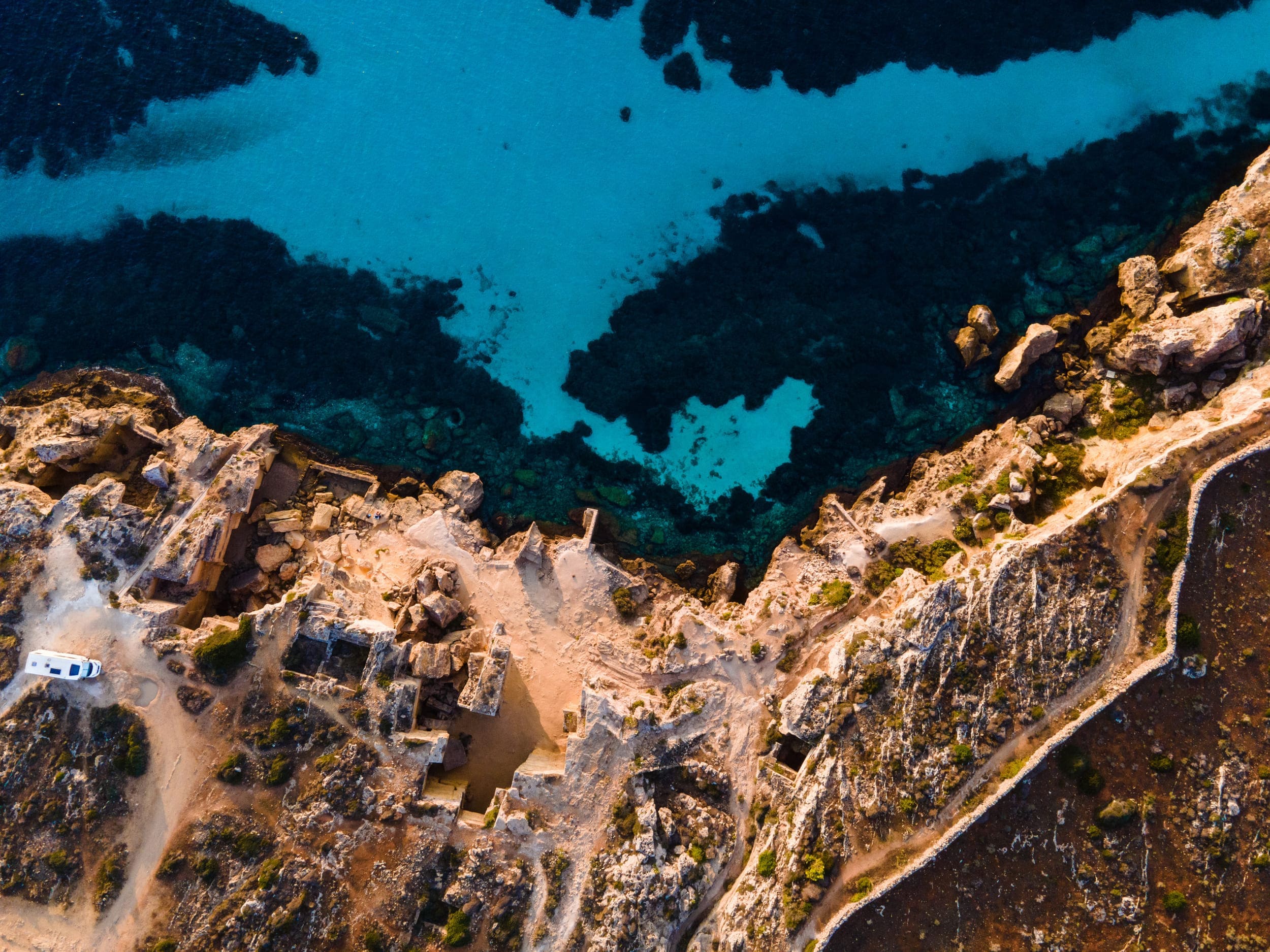
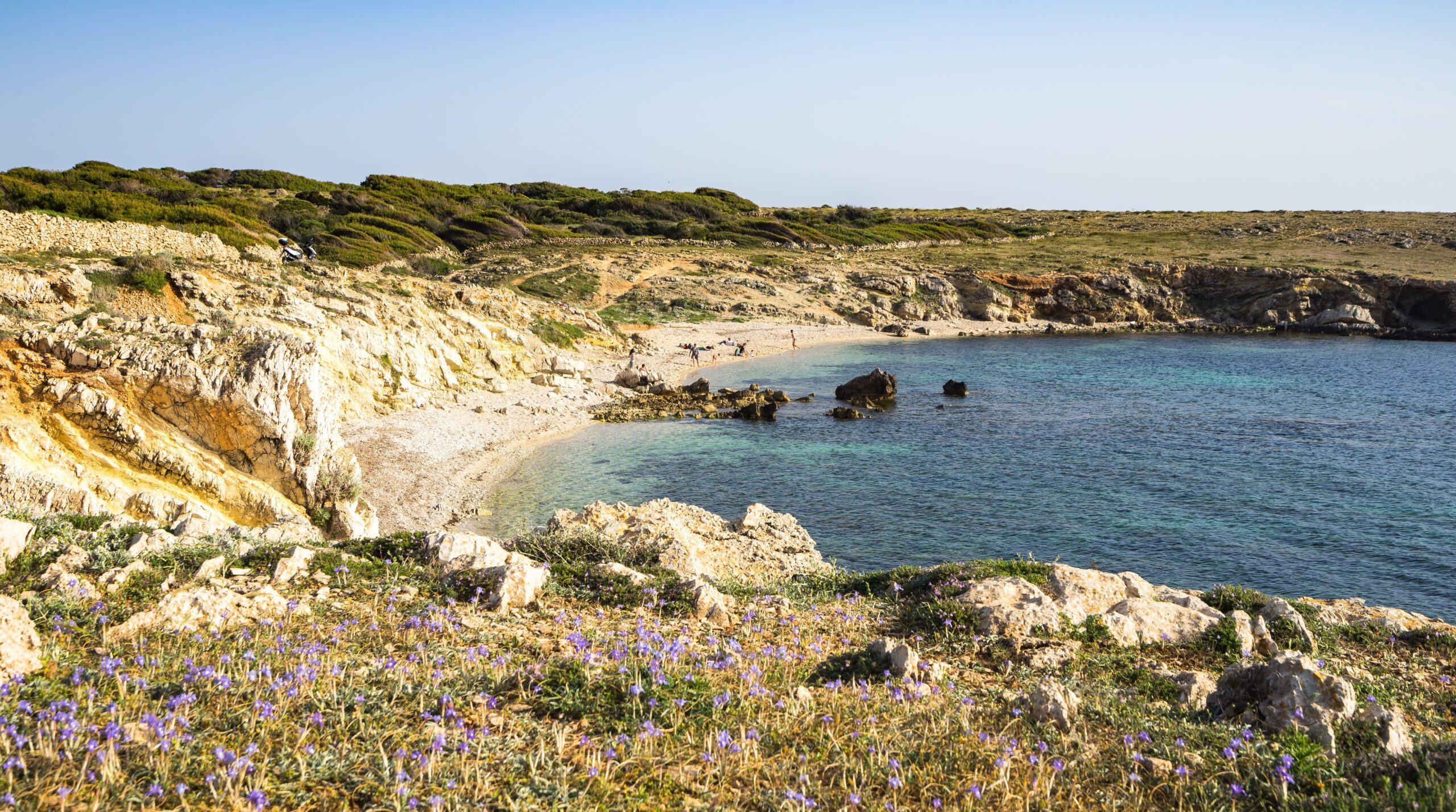
Visitors expecting a stretch of sand are often surprised: here tuff stone is the star. Flat rocks, smoothed by wind and sea, form natural terraces where you can sunbathe and slip straight into the water.
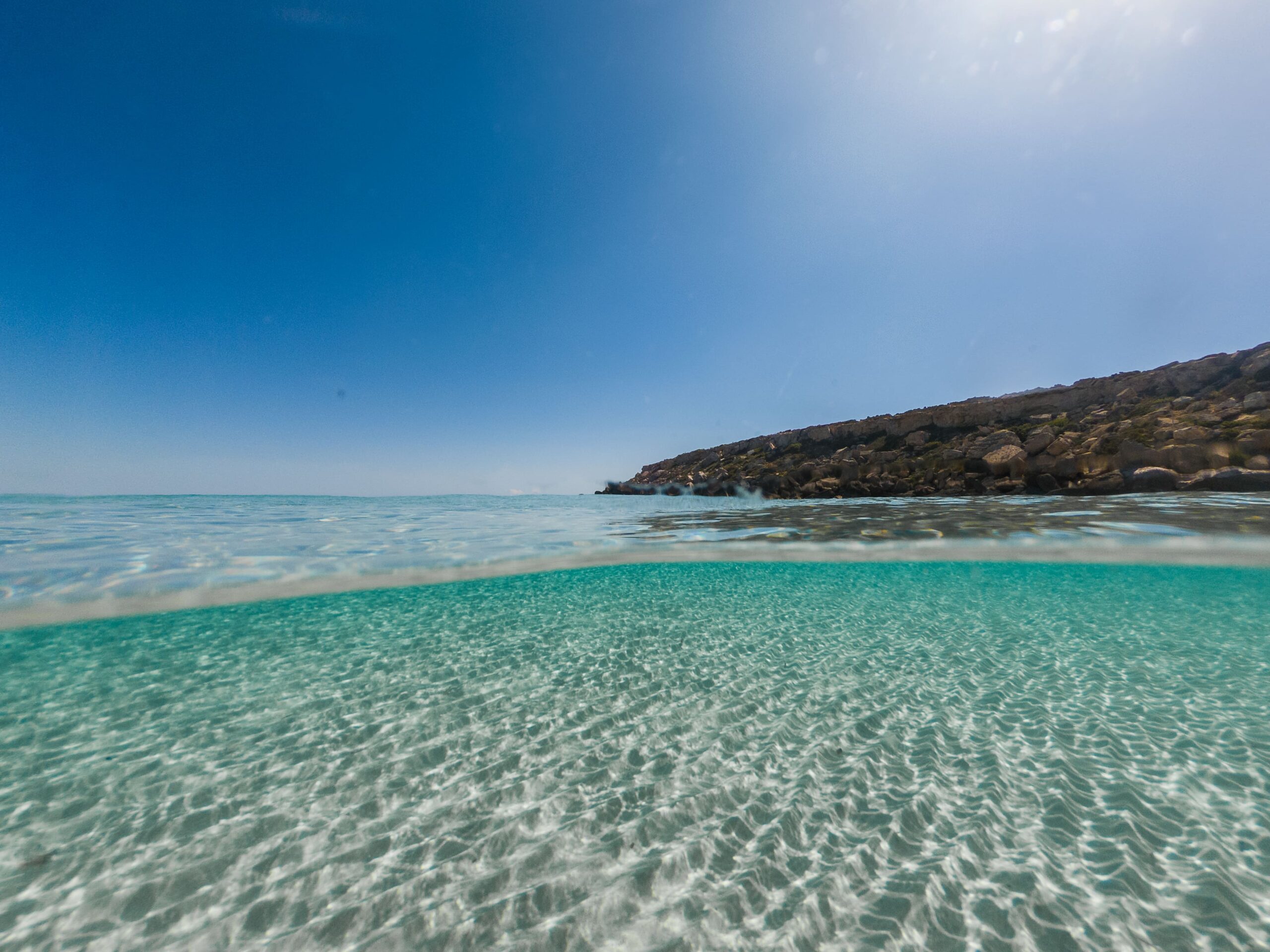
The seabed alternates pale sand and rock, creating shades from emerald green to deep blue. The water is extremely clear and full of fish, making it one of the island’s best spots for snorkeling.
The story behind the name
Today Cala Rossa is an oasis of calm, but its name tells a very different story. According to tradition, in 241 BC the waters off Favignana hosted the Battle of the Aegates, the naval clash between Romans and Carthaginians that ended the First Punic War. Legend says the sea turned red with the blood of the fighters, giving the bay its name, “Red Cove”.
If you want to see finds recovered from the Egadi seabed, such as bronze rams and amphorae, a visit to the former Florio Tuna Factory is the perfect complement: read our guide to the Favignana Tonnara.
When to go: the wind makes all the difference
Cala Rossa faces north, so it is at its best on days of scirocco or other southerly winds, when the sea is flat and transparent. With tramontana and mistral winds the water gets choppy and getting in from the rocks becomes awkward. Check the weather and wind in Favignana before you set off.
In July and August the cove is very busy: arriving early in the morning lets you pick the best spot on the rocks. June and September offer warm water and much more peace.
What to know before you go
- No facilities: there are no beach clubs, umbrellas or toilets. Bring water, food, sun protection and some shade.
- Water shoes: the tuff is comfortable but uneven in places, especially when getting in and out of the sea.
- Deep water straight away: great for swimmers and snorkeling, less suitable for small children.
- Respect the place: Cala Rossa lies within the Egadi Islands Marine Protected Area. Take your rubbish with you and do not remove stones or shells.
Watch out for namesakes: there are other “Cala Rossa” coves in the province of Trapani, for example on Marettimo and in San Vito Lo Capo. The one described here is on the north-east coast of Favignana.
How to get to Cala Rossa
First you need to reach the island: from Trapani the hydrofoil takes about 30-40 minutes and the ferry about an hour. You will find tips in our guide on how to get to Favignana. From the harbour, the cove is about 4 km away.
By bike or scooter
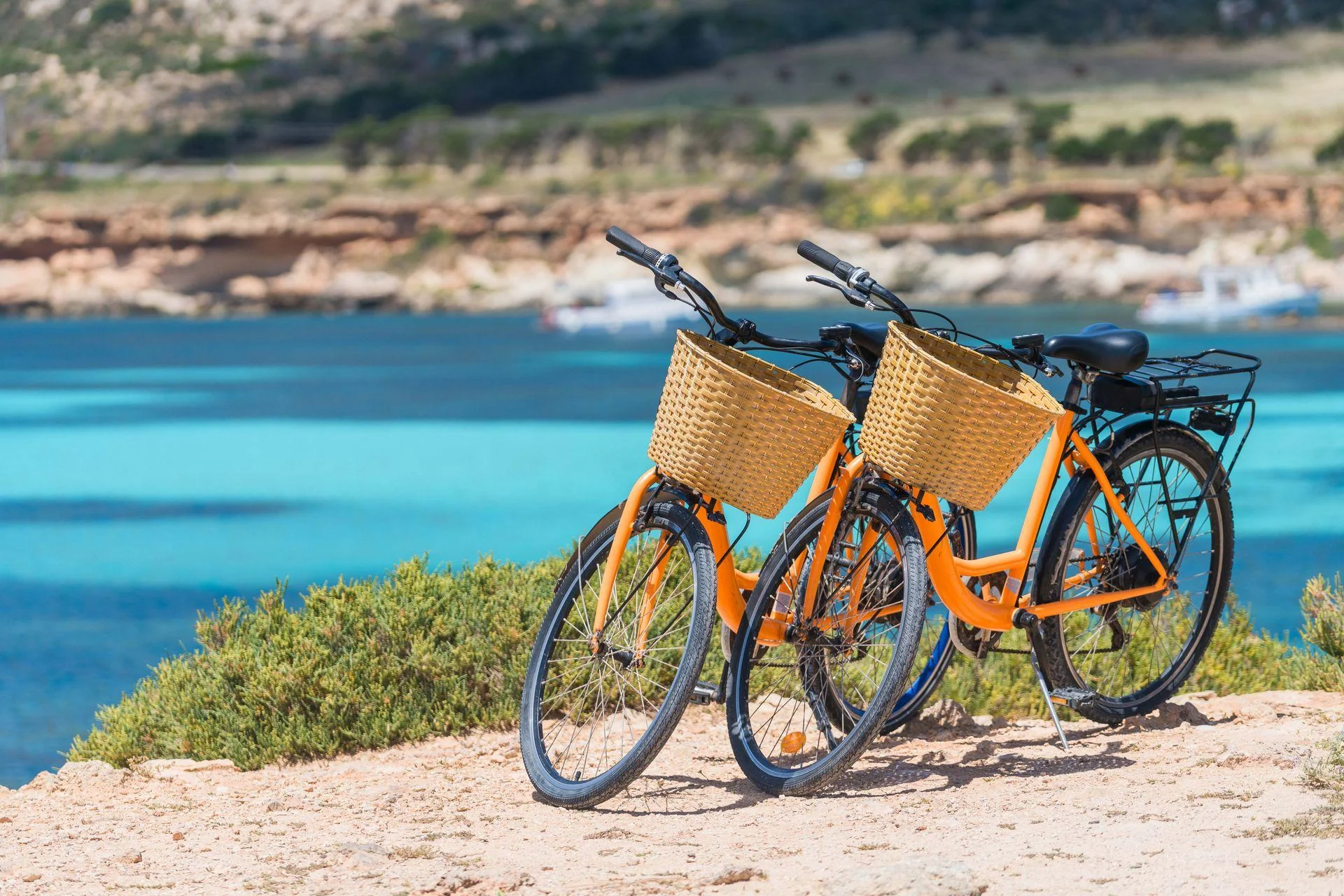
Favignana is almost entirely flat, which makes cycling the favourite option: from the village simply follow the signs heading east. Compare bike and e-bike rentals or scooter rentals, and see all options on our getting around Favignana page.
On foot
Starting from Piazza Madrice and heading east, the walk is about 4 km, the last 700 metres on a dirt road. The route is scenic but exposed to the sun: bring plenty of water and a hat. The final descent to the rocks is not recommended for very young children, elderly people or those with reduced mobility.
By car
There is parking nearby, but in high season it fills up quickly. Remember that in summer, traffic for non-resident vehicles may be restricted: check the current rules before bringing a car to the island.
By boat
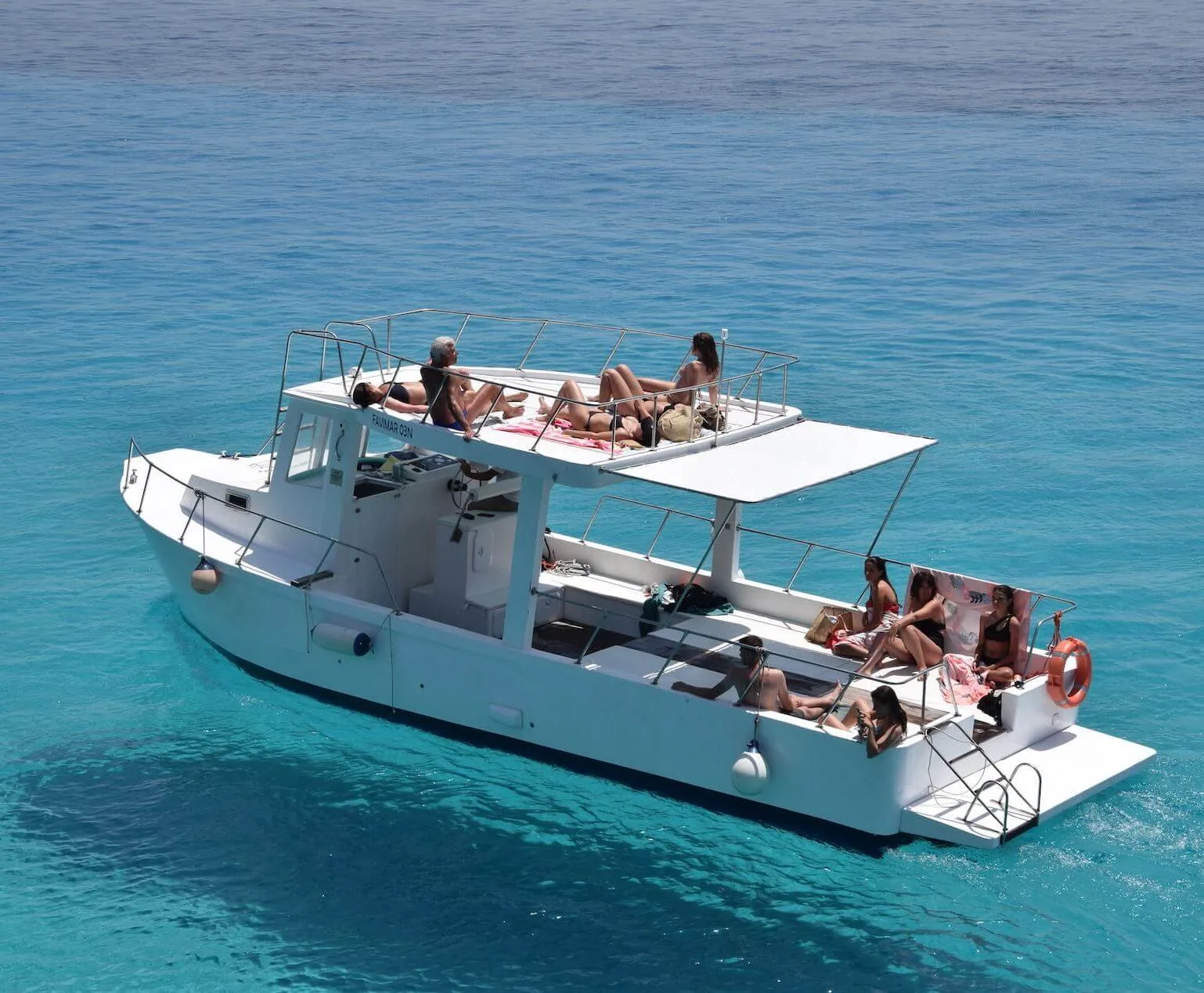
Seeing Cala Rossa from the sea is a different experience altogether: the old tuff quarries dropping into the water are best appreciated from here. Many boat trips and tours include a swimming stop in the bay, often together with other coves on the east coast.
Other coves to pair with Cala Rossa
Cala del Bue Marino
A short distance further east, Cala del Bue Marino is famous for tuff walls carved by old quarries and for cliff jumping.
Cala Azzurra
On the south-east coast, Cala Azzurra has shallow, transparent water: perfect when a northerly wind is blowing at Cala Rossa.
Cala Rotonda and the Arch of Ulysses
On the western side of the island, Cala Rotonda is famous for its natural rock arch and its sunsets.
For a complete overview of the island, read our guide to what to see in Favignana.
Frequently asked questions
Does Cala Rossa have a sandy beach?
No. Cala Rossa is a rocky bay with smooth tuff platforms and a seabed that drops quickly: bring water shoes and a thick towel.
Which wind is best for Cala Rossa?
Facing north, Cala Rossa is at its best with southerly winds such as the scirocco and libeccio. With tramontana or mistral winds the sea is often rough.
Is Cala Rossa suitable for small children?
Not really: there are no facilities, access is over rock and the water gets deep quickly. For a family day, Lido Burrone or Cala Azzurra are easier.