What to see
Favignana Tonnara: guide to the former Florio tuna factory
4 min read
Arriving in Favignana and standing in front of the former Florio tuna factory means entering a place that is not just a museum but the living memory of an entire community. On the seafront, the large restored halls tell stories of tuna, boats and the people who made the “mattanza” a tradition of the Egadi Islands. This guide brings together the essential information to plan your visit and understand the value of this place.
The history of the former Florio factory
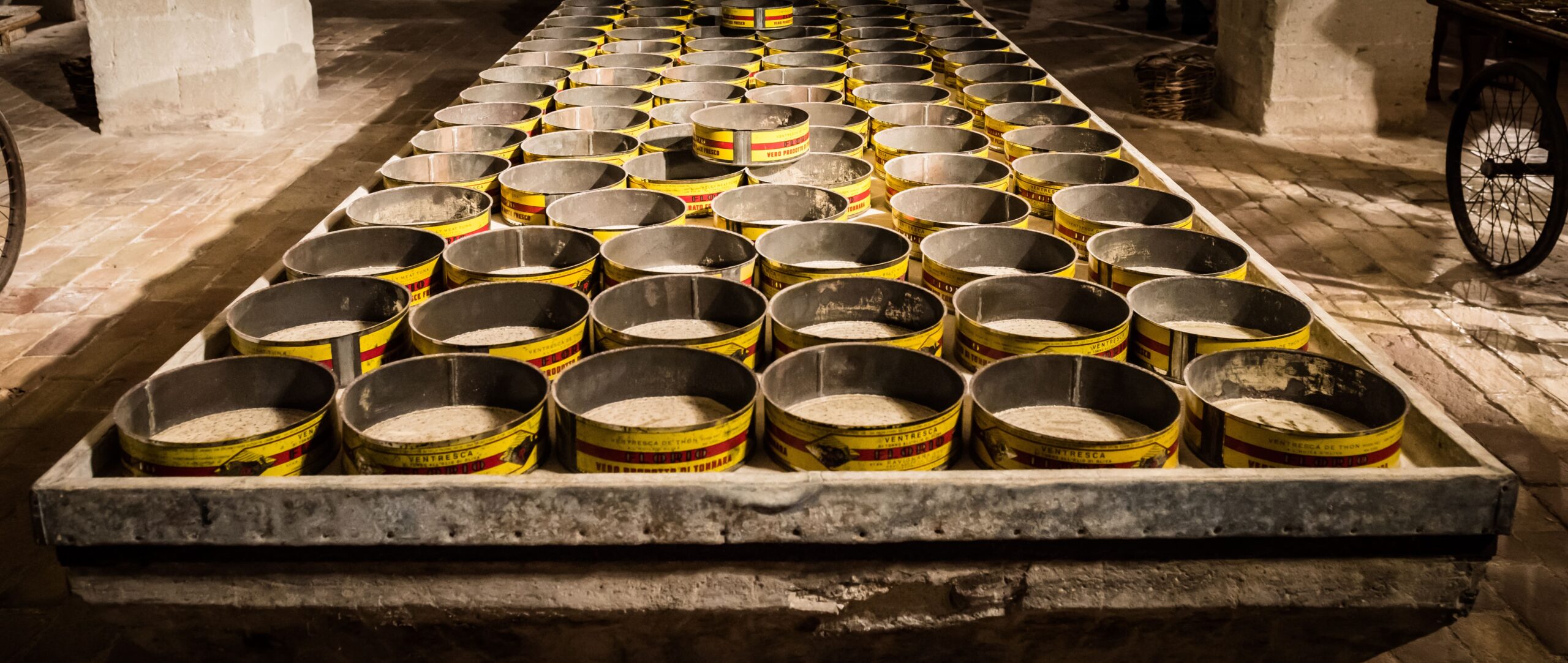
The factory is a symbol of the golden age of the Florio family and of a time when Favignana lived mainly from the sea. Built in the 19th century, it was one of the largest tuna processing plants in the Mediterranean: pioneering techniques were tested here, such as preserving tuna in oil in tins, transforming the economy of the Egadi Islands.
Walking through the halls, you can picture the boats returning after the mattanza, the tireless workers and the nets drying in the sun. After production stopped, the complex was acquired by the Sicilian Region and restored, opening as a museum space in 2009.
The bond between the tonnara and the community
The tonnara was not just an industry: it was the heart of island life. Each season involved whole families, with rituals, songs and celebrations. This deep bond is what makes the former Florio factory much more than a museum.
What to see today
The visit combines history, culture and the sea. The 19th-century halls welcome visitors in wide, bright spaces where tuff stone meets modern installations and multimedia content.
- The mattanza boats: the original vessels, still powerfully evocative.
- Photographs and work tools: period images, anchors, nets and equipment that recreate the atmosphere of the tonnara.
- Finds from the Battle of the Aegates: bronze rams, helmets and amphorae recovered from the seabed, evidence of the 241 BC naval battle between Romans and Carthaginians.
- Temporary exhibitions: on maritime culture, the Mediterranean and the history of the Florio family.
The battle finds are also linked to Cala Rossa, whose name, according to tradition, recalls that very conflict.
Opening hours, guided tours and planning
Opening hours change with the season: in summer the museum is generally open every day with continuous hours, while in winter opening times are reduced. Before you go, check current times through official channels or at the tourist information point in Palazzo Florio.
Guided tours of about an hour are available and recommended to grasp every detail of the tonnara’s history. In high season it is best to book ahead and arrive a few minutes early, as the ticket office usually closes shortly before closing time.
The factory is on the seafront, a few minutes’ walk from the harbour: it easily fits into an arrival or departure day. For getting around the island, see our getting around Favignana page.
Facilities and accessibility
The complex was designed to welcome all visitors. There are access ramps and accessible toilets, and the wide spaces make the visit comfortable for people with reduced mobility. For specific needs, it is worth asking in advance about the services available.
A museum for children too
Boats, tools and installations make the visit engaging for children, who can easily discover the history of fishing and Sicilian traditions. A great option for the hottest hours or a windy day.
Former Florio factory and Palazzo Florio: the differences
The two places are easy to confuse, as both are linked to the same family:
- Former Florio factory: the large tonnara on the seafront, now a museum dedicated to the sea and the mattanza, and a symbol of the Egadi Islands’ industrial heritage.
- Palazzo Florio: the elegant Art Nouveau residence in the village centre, now home to public offices and the tourist information point.
A journey that stays with you
Visiting the former Florio factory means meeting Favignana’s most authentic identity. Its true value lies not only in the finds or the boats on display, but in the feeling of walking through a place that turned a hard past into shared memory. Round off the day with a stroll through the old town and Piazza Madrice and discover more in our guide to what to see in Favignana.
Frequently asked questions
What are the opening hours of the former Florio factory?
In high season the museum is generally open every day with continuous hours, while in the low season hours are shorter. Always check current times through official channels or at the tourist office before visiting.
Do I need to book a guided tour?
It is not always mandatory, but in July and August booking in advance through the museum’s official channels is recommended, especially for groups and families.
Is the museum suitable for children?
Yes: boats, fishing tools and installations make the visit engaging for children too, who discover the history of the tonnara in a simple way.
What is the difference between the Florio factory and Palazzo Florio?
The former Florio factory is the 19th-century tuna plant by the sea, now a museum. Palazzo Florio is the family’s elegant residence in the village centre, now home to public offices and the tourist information point.