Guides
Favignana off-season: what to do from October to April
7 min read
When the ferries empty out and the beaches fall silent again, Favignana shows a side that those who only visit in August never get to see. No queues at the rentals, no crowds at the coves, time to walk without hurrying and to see the island as it really is: a place of fishermen and tuff quarrymen, long before it became a beach destination.
Visiting Favignana in the off-season does, however, take a little more information, because a lot changes: connections are reduced, several businesses close and the sea is no longer the summer sea. In this guide you will find what stays open, what weather to expect, how connections work, what to do and what to pack.
Why visit Favignana in the off-season
The first reason is peace and quiet: in the colder months the island empties almost completely, and the streets, quarries and viewpoints are left to just a few visitors.
There is also a practical advantage: accommodation and rental prices are generally lower than in high season. The flip side is that the choice shrinks and the island is not suited to those looking for beaches and nightlife. Those who love walking, photography and relaxing, on the other hand, will find a surprisingly pleasant island.
Weather and sea: what to expect from October to April
Conditions change a lot from month to month, so it is worth breaking them down.
- October: the transition month. Days are often still mild and sunny, and in the first days, with a bit of luck, a swim is still possible. The sun sets earlier, though, and evenings are cooler;
- November and December: temperatures drop, rain becomes more likely and the wind makes itself felt. It is the quietest period and the best for those seeking total silence;
- January and February: the coldest months, with days that are sometimes clear but windy. The sea is cold and swimming is not recommended;
- March and April: spring brings longer days, beautiful light and the first colours on the island. It is a good time for walking, although the sea stays cool.
Wind is the factor to keep in mind throughout the period: it can make the sea rough and affect connections, and on a bike it can make a real difference to getting around. The advice is to always bring an extra layer and check the forecast before planning your days.
Tips advice: before you leave, and every morning on the island, check the Favignana weather: wind and rough seas decide both your walks and the hydrofoil sailings.
What stays open and what doesn’t
In the off-season many businesses shorten their hours or close altogether: restaurants, beach clubs, accommodation and rentals work very differently from the summer. In general, what stays open is concentrated in the village centre, while the outlying areas and the equipped beaches are almost completely inactive.
That is why it pays to get organised before you leave:
- Accommodation: not all properties are open, so book in advance and check that heating and basic services are available;
- Restaurants: you can always find somewhere to eat in the village, but hours may be reduced, especially in the evening and on weekdays;
- Rentals: check in advance that the vehicle you need is available on your travel dates;
- Visits and museums: opening hours vary through the year, so always check opening times and closing days.
Reduced connections: how to get there
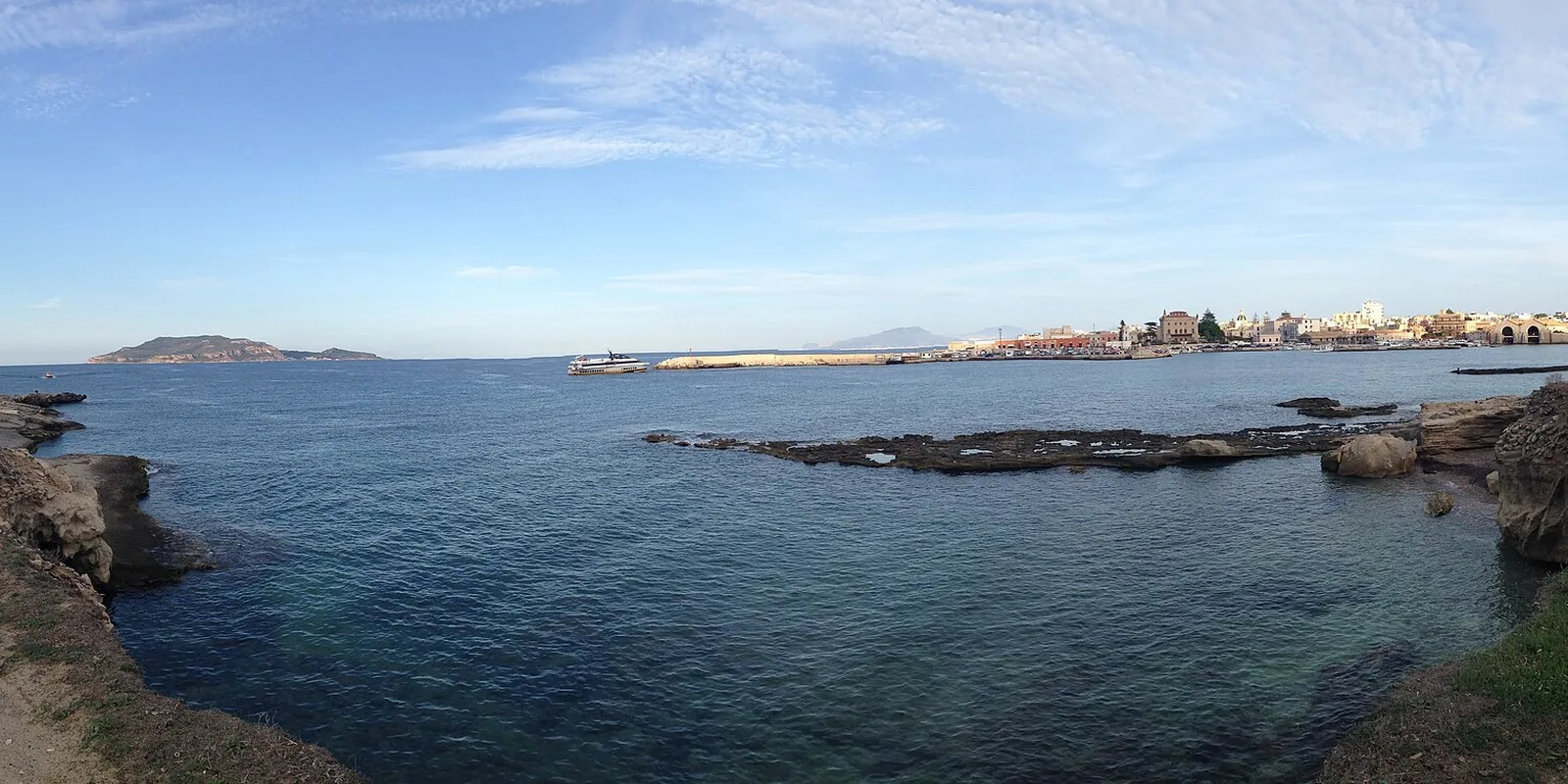
From October to April, sailings between Trapani and Favignana are less frequent than in summer. Crossing times stay the same, about 30–45 minutes by hydrofoil and about an hour by ferry, but timetables are more limited, especially on weekdays and in the coldest months.
With rough seas or strong wind, sailings, particularly hydrofoils, may be delayed or cancelled. If you are travelling with a fixed booking, it is wise not to plan tight connections and to leave some extra time, especially on your return day. Always check updated timetables before you leave and on the day itself, especially if you have an important commitment after your return. Ports, operators and practical tips are all covered in our guide on how to get to Favignana.
Things to do in Favignana in the off-season
Even without swimming and beach clubs, there is no shortage of things to do. In these months the island lends itself to slow travel, made of walks, views and cultural visits.
Walks among the tuff quarries
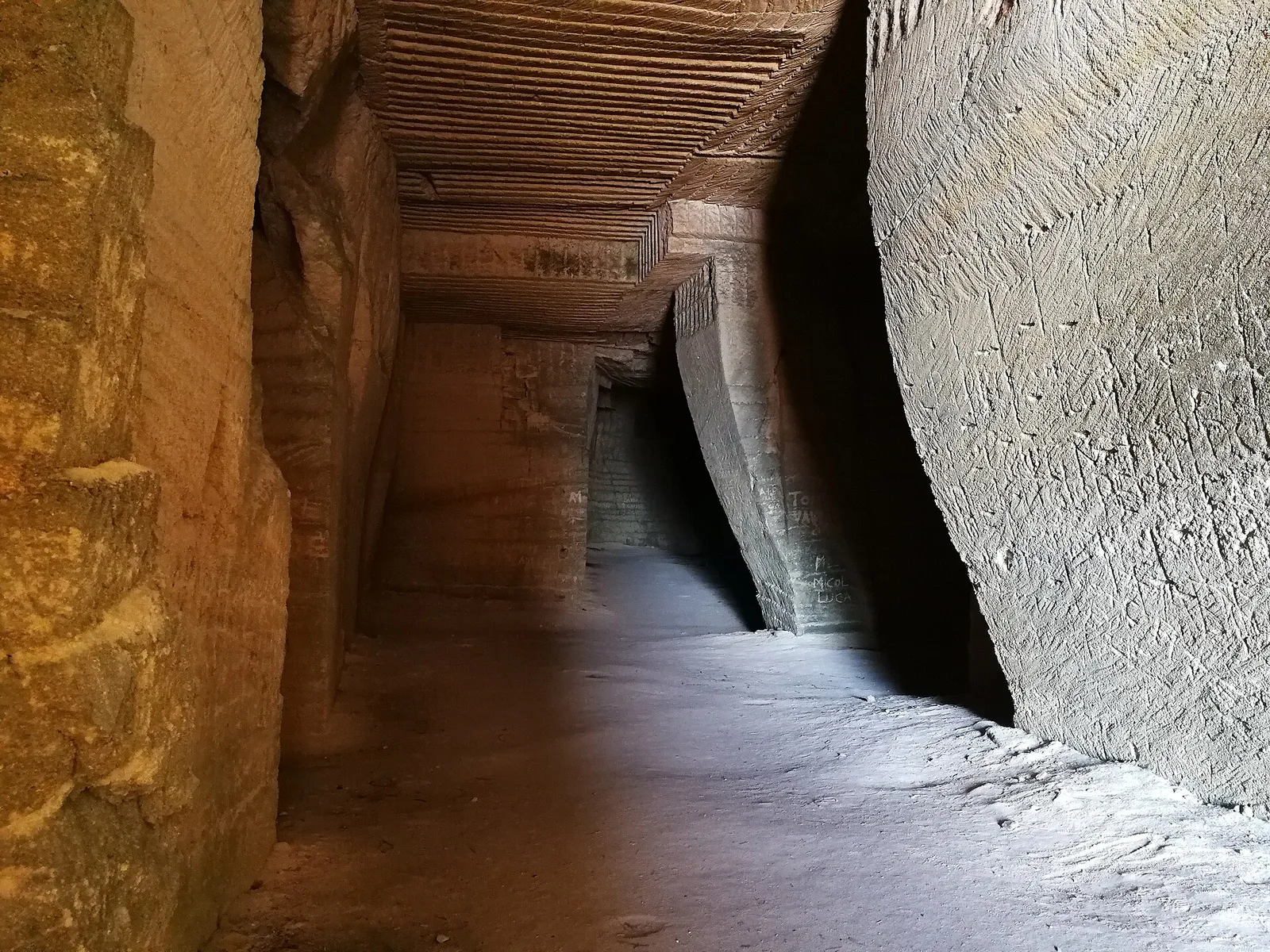
The disused tuff quarries are one of Favignana’s most distinctive sides: hand-cut walls, shade, silence and, in some cases, underground gardens transformed over the years. In the off-season you can visit them without crowds, and the golden tuff under low, soft light offers very photogenic views. A route on foot or by bike among the quarries is one of the most evocative experiences on the island at this time of year.
Climbing to Santa Caterina
Santa Caterina Castle, on the highest point of the island at 310 metres, is the ideal goal for a walk on a clear day. The 360-degree view over Favignana, Levanzo and the Trapani coast is even sharper on cold, windy days, when the air is clean and you can see far to the horizon. Wear comfortable shoes and a windproof jacket: at the top the wind is strong.
The Tonnara and the historic centre
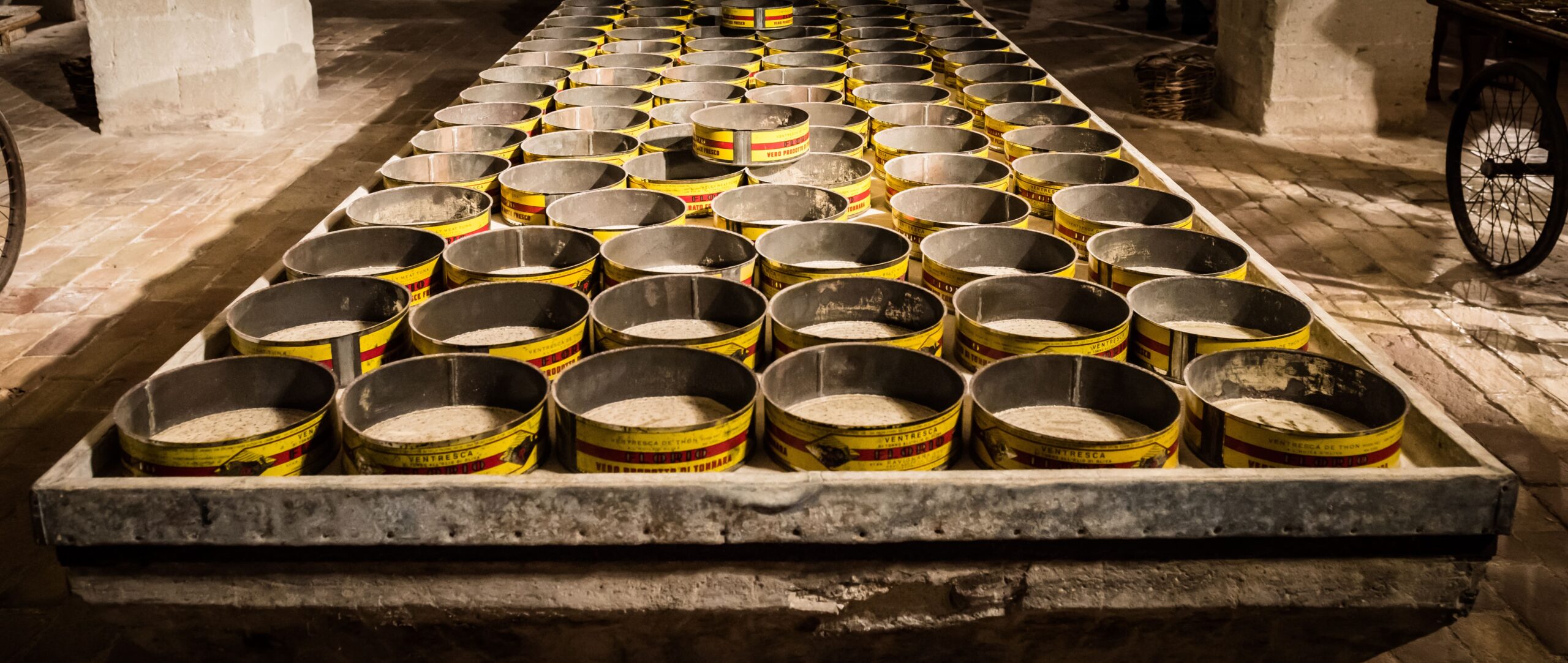
The former Florio tuna factory is one of the island’s symbols and a perfect stop for rainy or very windy days: today it is a museum, with period machinery, historical photographs and multimedia displays telling the story of the “mattanza” and the Florio family. Always check opening times before you go. You will find all the details in our guide to the Favignana Tonnara and former Florio factory.
The historic centre is easy to explore on foot, among white lanes, Palazzo Florio and the harbour: the off-season is the best time to stroll without hurrying, listen to everyday life and watch the fishing boats.
The coves in winter
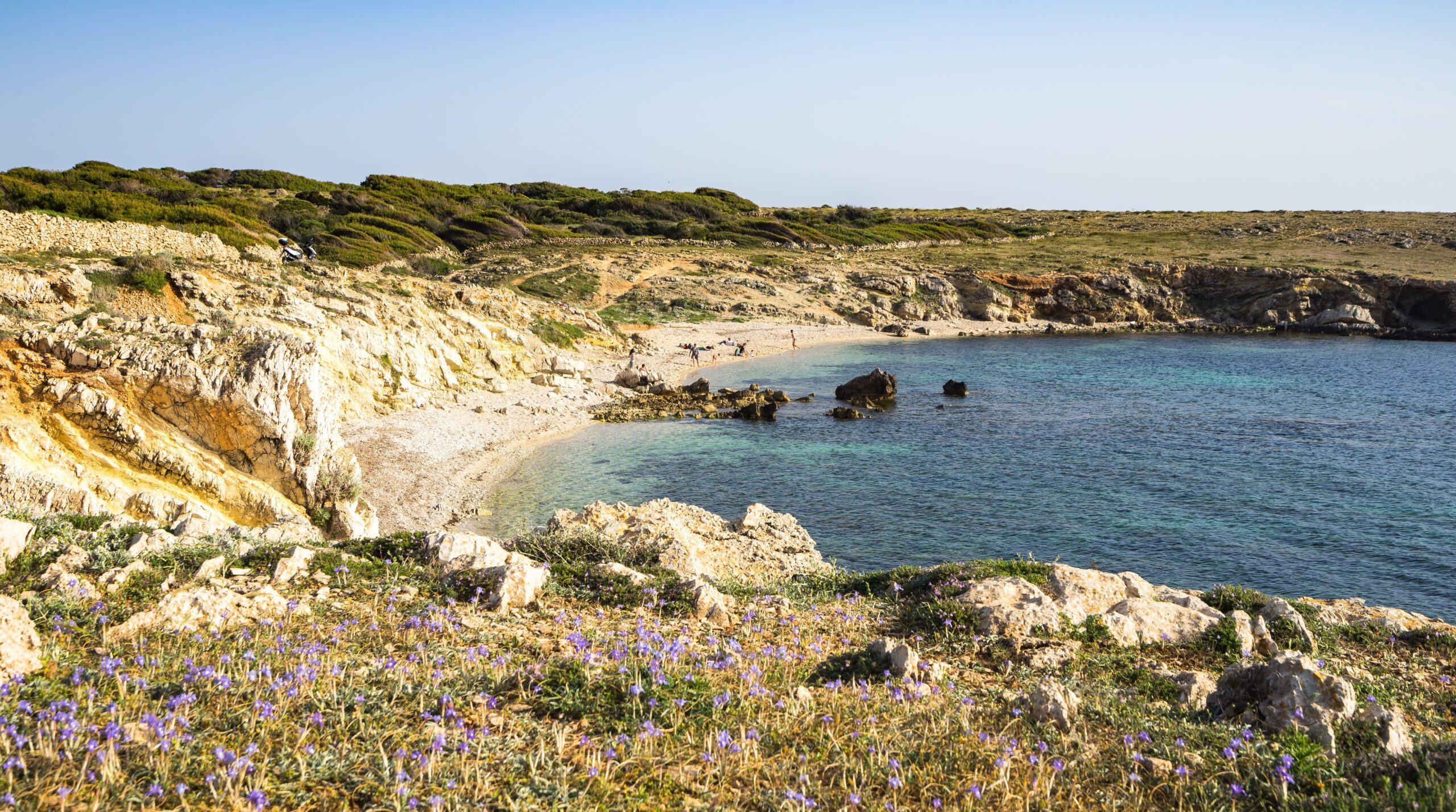
Even without a swim, the most famous coves are worth a visit. Cala Rossa, with its white cliffs, is a special sight on rough-sea days, when the waves break on the smooth rocks. You will find the full guide to Cala Rossa. Cala Azzurra and Lido Burrone, with no umbrellas and no crowds, become ideal spots for a walk on the sand or the rocks: find out how to get there in our guides to Cala Azzurra and Lido Burrone.
Tips advice: when the sea is rough, always keep a safe distance from the cliff edge: wet rocks become slippery and waves can reach higher than expected.
Sunsets and photography
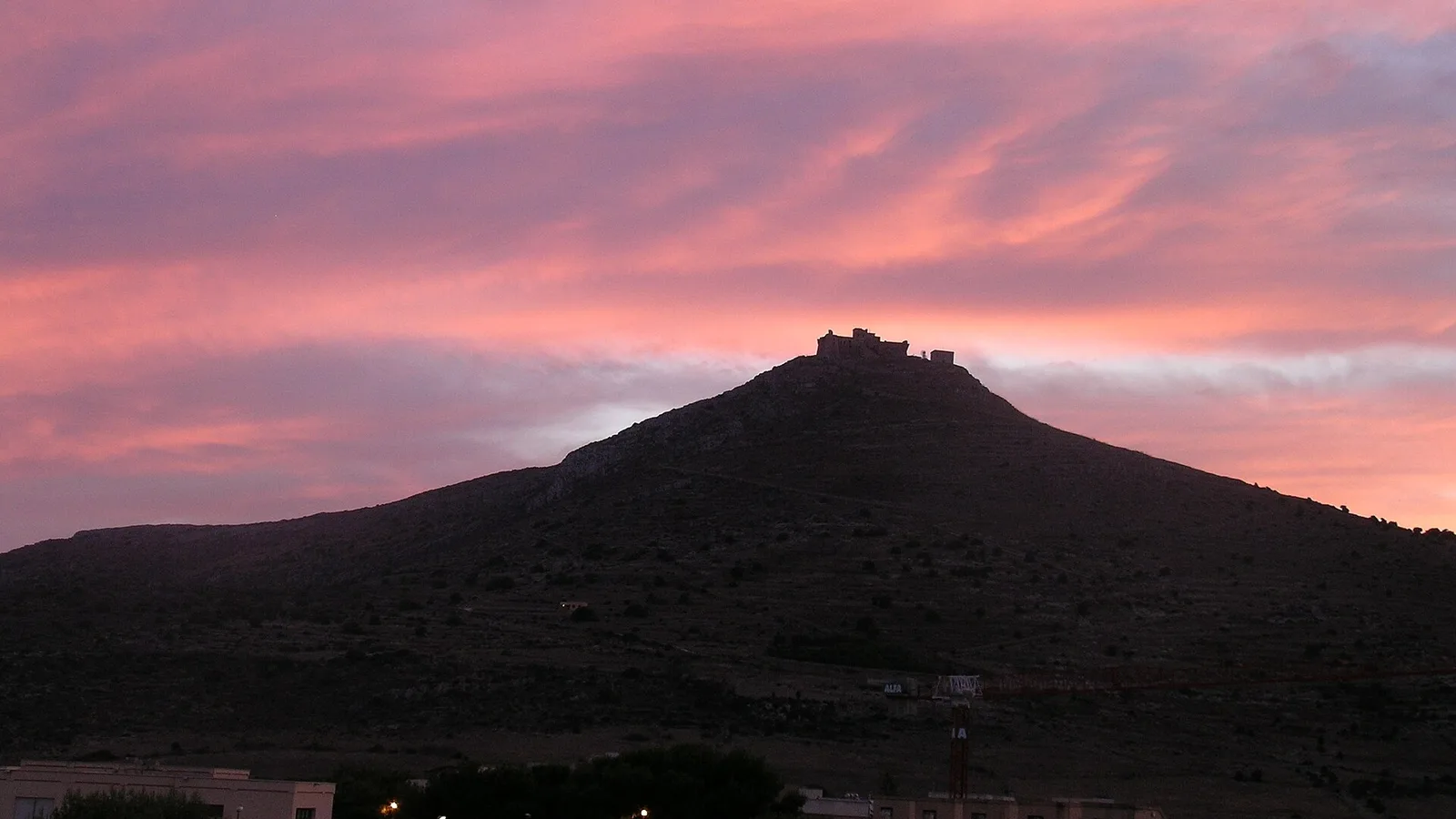
Winter sunsets are among the most beautiful of the year: the air is clear, the sun sets early and the colours on the sea and cliffs change by the minute. For photography lovers it is the best season, with low, warm light and deserted scenery.
Getting around in the off-season
In the low season the bicycle is still the most practical way to explore the island, but wind and cold can make getting around more tiring: ride in the middle of the day and plan short routes. Restrictions on motor vehicles of non-residents apply from June to September, but for rentals the advice above still applies: check availability first. The historic centre, in any case, is easy to explore on foot. All the options for getting around the island are summarised in our Favignana transport guide.
What to pack
- Layers: a jumper, a windproof jacket and a light raincoat, because the weather can change quickly;
- Comfortable closed shoes: for walking among the tuff quarries and climbing to Santa Caterina;
- Hat, sunglasses and sunscreen: the sun is out in winter too;
- Swimsuit and towel: only if you travel in early October, when a last swim may still be possible.
Frequently asked questions about Favignana off-season
When is the best time to visit Favignana in the off-season?
October and April are the most balanced months, with mild temperatures, more daylight and a still peaceful island. From November to February the weather is colder and windier.
Can you swim in Favignana in winter?
Usually not: the sea is cold, and swimming is only advisable in October, when temperatures are still mild, or in particular conditions.
Is Favignana closed in winter?
No, but many businesses shorten their hours or close. The village stays lively, especially in the centre, but it is worth checking accommodation, restaurants and rentals in advance.
Conclusion
Favignana in the off-season is not the destination for those looking for beaches and nightlife, but it is an excellent choice for those who want to walk, take photos and experience the island at a slow pace. With a little planning around timetables, connections and clothing, from October to April you will discover a more authentic and quieter Favignana.
Cover photo: Monte Santa Caterina at sunset, Tomario, CC BY-SA 3.0, via Wikimedia Commons.