Sea and excursions
Snorkeling and scuba diving on Favignana: where to go, when, and how to plan
6 min read
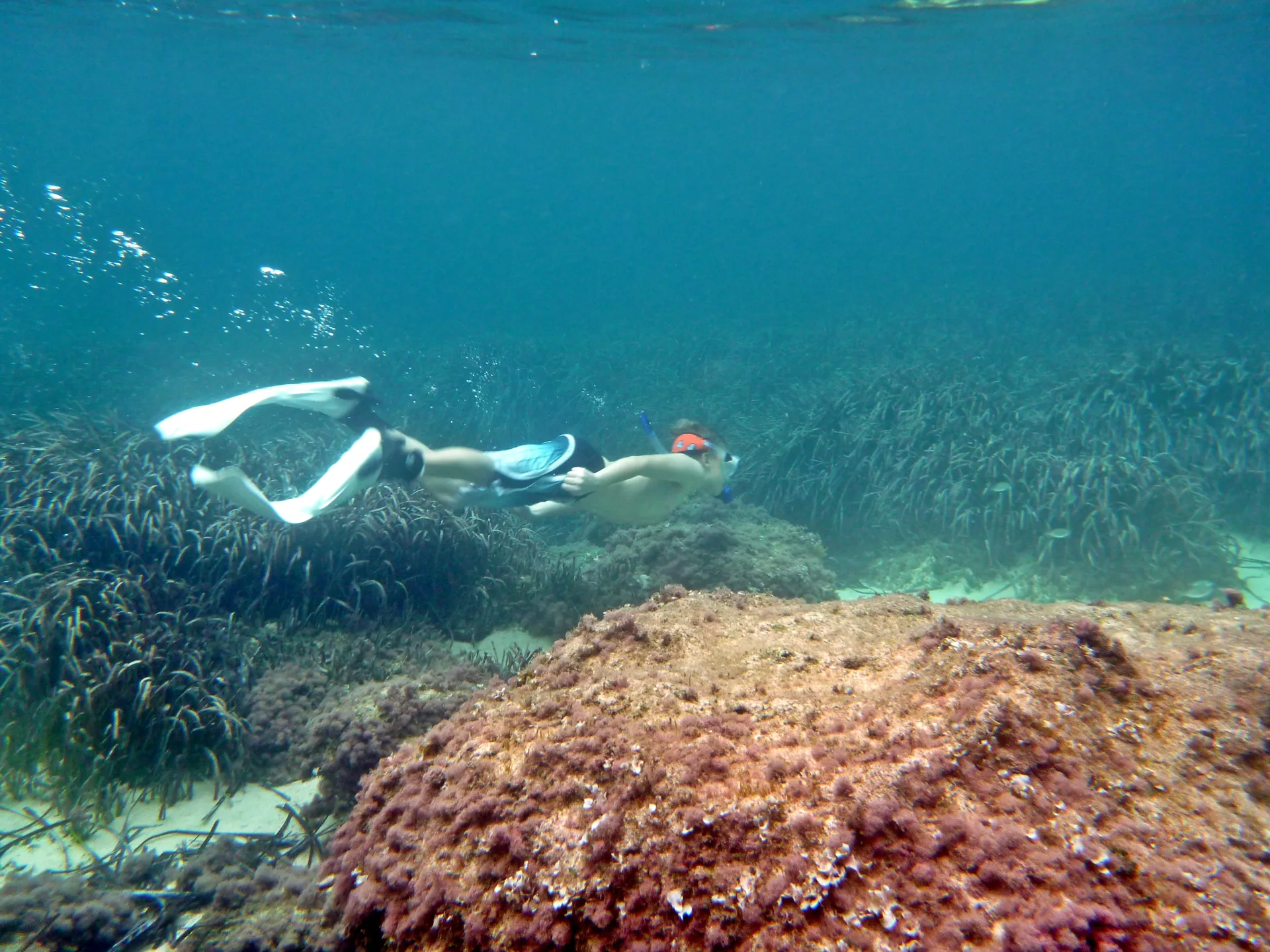
Favignana’s sea is famous for its colours, but the real show begins below the surface. Posidonia meadows, rocky seabeds carved by the old quarries, fish swimming just a few metres from the shore: all it takes is a mask to realise you are in one of the best-preserved stretches of the Mediterranean.
Whether you want to snorkel from a cove, try your first scuba dive or explore the seabed with a certification, this guide covers what you need to know about the Marine Protected Area, where to go, how to choose a dive centre and when to plan your trip.
The Egadi Islands Marine Protected Area
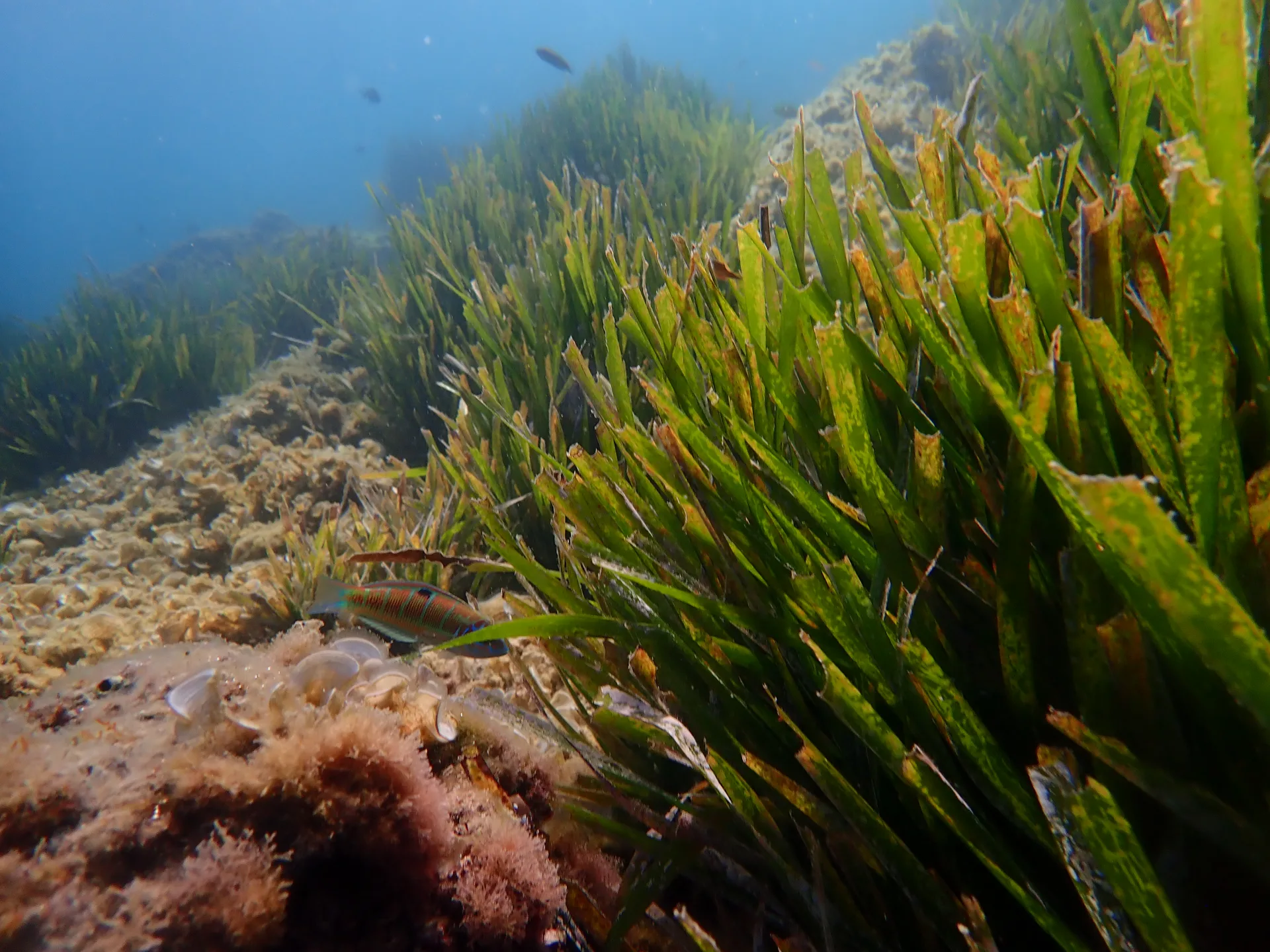
Favignana is part of the Egadi Islands Marine Protected Area, one of the largest in the Mediterranean. Its richness comes above all from the meadows of Posidonia oceanica, a marine plant that oxygenates the water, protects the coast from erosion and shelters countless species.
The area is divided into zones with different levels of protection. The strictest zones are around Marettimo and the Maraone rock, while elsewhere in the archipelago activities are allowed under specific rules. In general:
- Swimming is allowed throughout the area, and with it surface snorkeling;
- Scuba diving is regulated: in protected zones it takes place at sites designated by the managing authority, often with authorised centres;
- Anchoring is restricted in some zones and over valuable seabeds such as Posidonia meadows;
- Fishing and collecting marine organisms are subject to bans and limits.
Before planning an independent dive, check the regulations on the official Marine Protected Area website: rules can change and vary from zone to zone.
Snorkeling in Favignana
What you’ll see underwater
Even a few metres from the shore you’ll meet white seabream, damselfish, salema, colourful rainbow wrasse and, with a little luck, octopuses hiding among the rocks or the odd moray eel. Posidonia meadows, with their long swaying leaves, are a fascinating world to watch from above.
Snorkeling from the coves
Many of the island’s coves are great for snorkeling, each with its own character:
- Cala Rossa: crystal-clear water and rocky seabed, ideal for confident swimmers. You enter the water from rock terraces, so reef shoes are recommended;
- Bue Marino: a stretch of coast with carved rocks and rich seabeds, much loved by snorkelers;
- Cala Azzurra: shallow, calm water with a sandy bottom, perfect for beginners and children;
- Lido Burrone: shallow sandy seabed, great for getting used to mask and snorkel.
Snorkeling from a boat
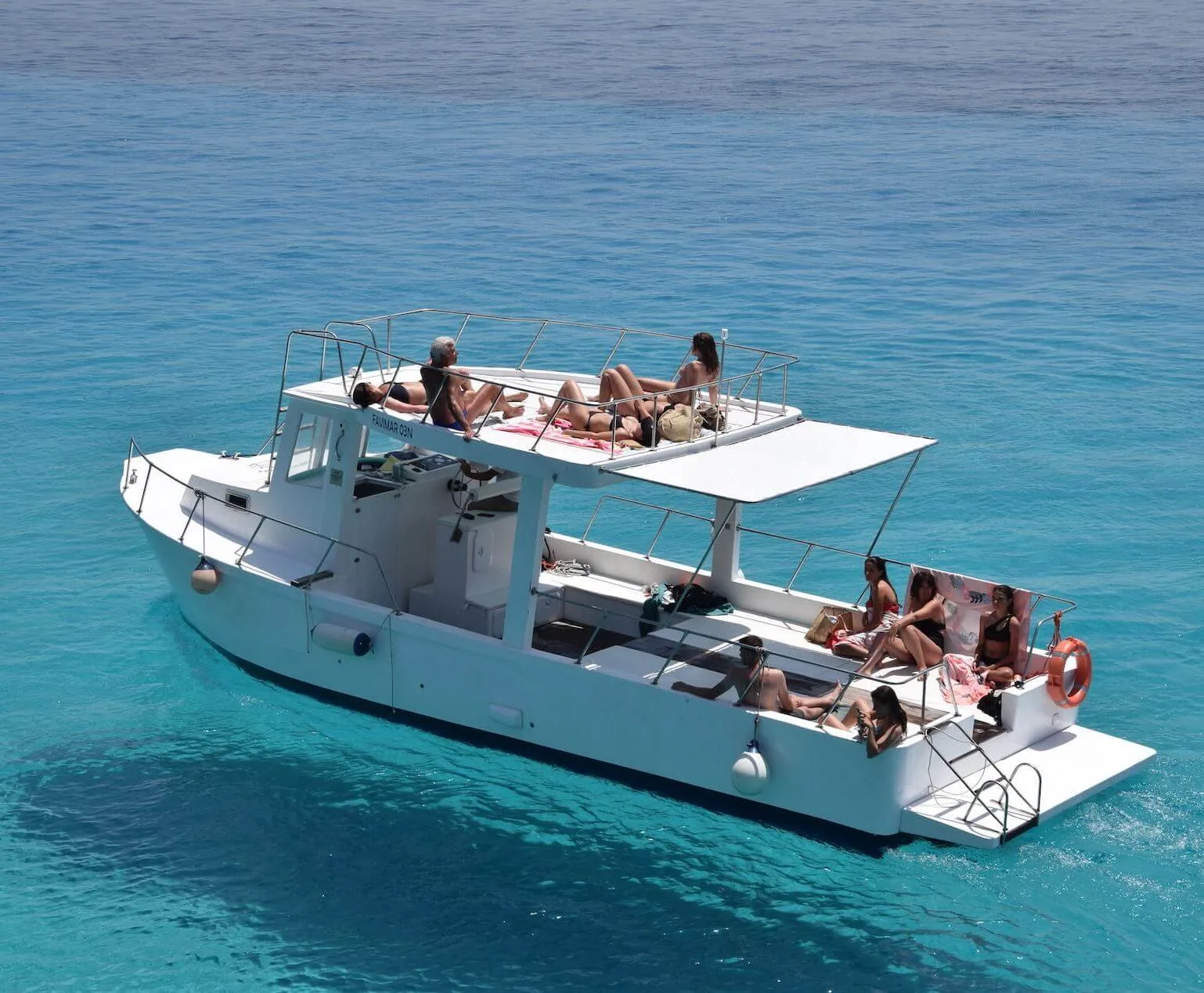
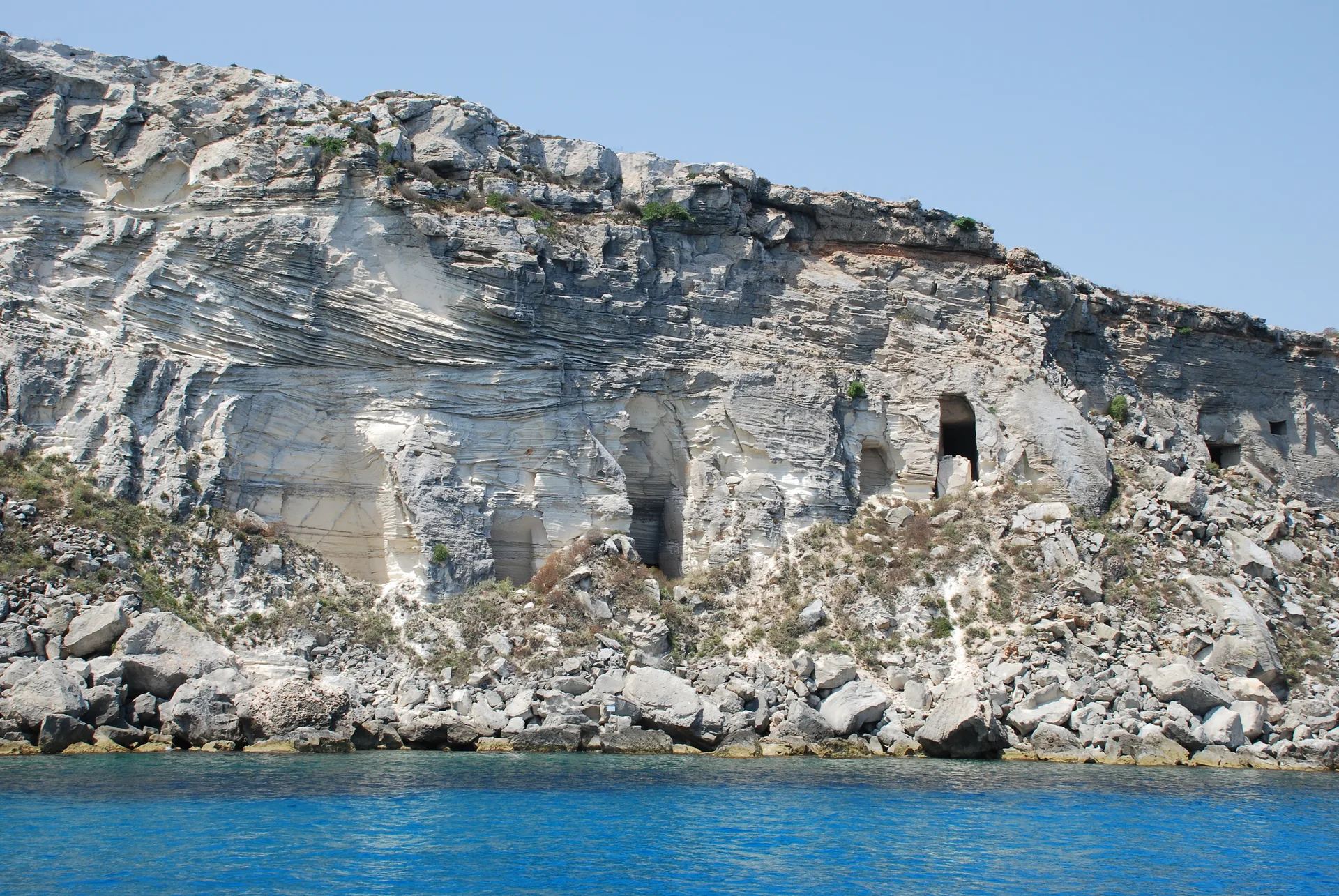
Some of the most beautiful spots can only be reached by sea. Many trips include snorkeling stops in coves and caves away from the crowds, often with gear included. You’ll find every option in the boat trips in Favignana section.
Snorkeling with children
Snorkeling is perfect for little ones too, as long as you choose shallow, calm water. Cala Azzurra and Lido Burrone are the best options: the sandy bottom lets kids stand up and get used to the mask without stress. Pick a mask in the right size, have them wear a T-shirt against the sun and always stay next to them in the water. First outings may last only a few minutes: many short explorations are better than one long, tiring one.
Scuba diving
Discovery dive
For anyone who has never breathed underwater, a discovery dive is the first step. It is a short, shallow dive with an instructor, preceded by a theory briefing and a few exercises in shallow water. No certification is needed, but you must be in good health: the dive centre may ask you to fill in a medical questionnaire.
Courses and certifications
If you want to go further, you can take a course for your first certification, which lets you dive with a buddy to a limited depth. Courses usually last a few days, combining theory, confined-water skills and open-water dives.
Dives for certified divers
Experienced divers can explore rock walls, shoals and underwater caves on boat trips run by dive centres. In protected zones, dives take place at the sites and in the ways set by the regulations, and some require an advanced certification.
How to choose a dive centre
Before booking, it pays to compare a few things:
- Authorisation: check that the centre is authorised to operate in the Marine Protected Area;
- Certifications and training: ask which certifications it issues and which training agencies it works with;
- Guide-to-diver ratio: small groups mean more safety and attention;
- Equipment: ask what is included and what condition the rental gear is in;
- Insurance: check the cover provided for the dive;
- Weather flexibility: ask what happens if the trip is cancelled because of wind or rough sea.
You’ll find the island’s centres in the Diving and scuba diving section and more sea activities among the Experiences in Favignana.
Tips advice: check the wind before choosing a cove: with the mistral, head for the south-east side; with the sirocco, the north side. Look at the Weather and sea page the evening before and, for boat trips or discovery dives in July and August, book a few days ahead.
When to go
The best season runs from late May to mid-September. In June and September the sea is warm, visibility is often excellent and the coves are less crowded. In July and August the water is at its warmest, but it’s best to book ahead. In spring and autumn the water is cooler: you’ll need a light wetsuit for snorkeling, and several dive centres scale back or close.
What to bring and safety tips
- A mask and snorkel that fit you: a well-sealing mask makes all the difference;
- Fins and reef shoes: useful for getting into the water from rocky coves;
- T-shirt or light wetsuit: protects you from the sun, which you feel less in the water but burns more;
- Surface marker buoy: makes snorkelers visible to boats;
- Never go alone: snorkel in pairs and stay close to the shore;
- Respect the sea: don’t touch or collect marine life and don’t step on Posidonia.
Frequently asked questions about snorkeling and diving in Favignana
Where can you go snorkeling in Favignana?
Cala Rossa and Bue Marino are among the richest spots for confident swimmers, while Cala Azzurra and Lido Burrone are ideal for beginners and children.
Do you need a certification to scuba dive in Favignana?
Not for a discovery dive, since you are accompanied by an instructor. Independent dives require a certification, and some sites call for an advanced level.
Can you snorkel in the Marine Protected Area?
Yes, swimming is allowed throughout the area. Conservation rules still apply: no collecting marine life and take care of the seabed.
Conclusion
Favignana is a small paradise underwater too. With a mask you can explore the most beautiful coves, with a discovery dive you can enjoy your first scuba experience, and with a certification you can discover the seabeds and caves of the Marine Protected Area. Pick the right season, rely on authorised centres and respect the sea: it’s the best way to enjoy it for years to come.
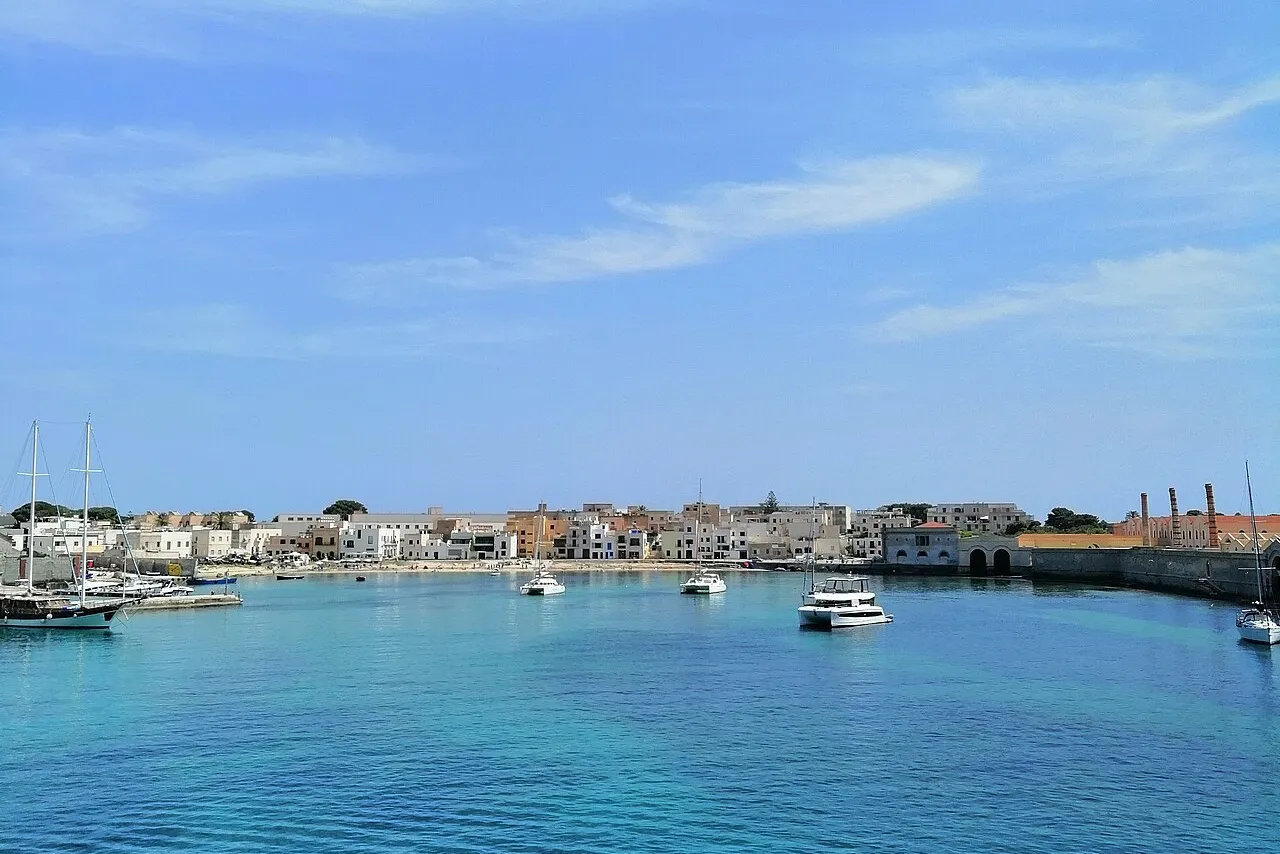
Cover photo: Wusel007, CC BY-SA 3.0, via Wikimedia Commons.